FOR IMMEDIATE RELEASE: February 22, 2011
CONTACT: Tom Angell at (202) 557-4979 or [email protected]
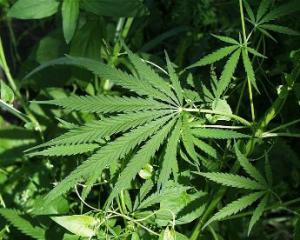
Former Baltimore Narcotics Cop Testifies for Bill to Decriminalize Marijuana in Maryland; Tuesday Hearing on Lowering Marijuana Penalty to $100 Fine
ANNAPOLIS, MD -- A former Baltimore narcotics cop will testify before a Maryland House of Delegates committee today in favor of a bill that would decriminalize marijuana possession. The bill, HB 606, sponsored by Del. Curt Anderson (D-Baltimore City), will be heard by the House Judiciary Committee at 1:00 PM EST in Room 100.
Neill Franklin, who did narcotics work with both the Maryland State Police and the Baltimore Police Department over a 34-year career, will testify that, "The current laws force police officers in Maryland to waste hour after hour processing marijuana possession arrests. Can you imagine how many more burglaries, rapes and murders we could solve if we put these wasted man-hours toward good use? Marijuana prohibition constitutes a serious threat to public safety."
Franklin is executive director of the organization Law Enforcement Against Prohibition (LEAP), an international group of police officers, judges, corrections officials, border agents and other criminal justice professionals who have witnessed the failures of the so-called "war on drugs" firsthand.
The Maryland bill will lower the penalty for possessing an ounce or less of marijuana from a criminal misdemeanor to a civil offense punishable by a fine of up to $100. In addition to Del. Anderson, HB 606 has bipartisan support from 20 co-sponsors and has been officially endorsed by the Legislative Black Caucus of Maryland.
Maryland spends over $236 million enforcing its marijuana laws every year, according to Harvard University economist Jeffrey Miron.
Del. Michael Smigiel (R-Cecil County), a co-sponsor of the decriminalization bill, says that many cops are privately approaching him in support of the idea. "Many police who come before the judiciary say they don't want to have to spend all that time taking someone in for less than an ounce, booking them and going through that whole process, when there are other people out there that they could be spending their time on that are committing serious crimes," he recently told WBAL-TV.
The full text of HB 606 and other information can be found at http://mlis.state.md.us/2011rs/billfile/HB0606.htm
Law Enforcement Against Prohibition (LEAP) represents police, prosecutors, judges, prison wardens, federal agents and others who want to legalize and regulate drugs after fighting on the front lines of the "war on drugs" and learning firsthand that prohibition only serves to worsen addiction and violence. More info at http://www.CopsSayLegalizeDrugs.com.
# # #