The UN anti-drug bureaucracies, charged with upholding the global drug prohibition regime, are eying Uruguay nervously after its lower house voted to approve legal, state-run marijuana markets.
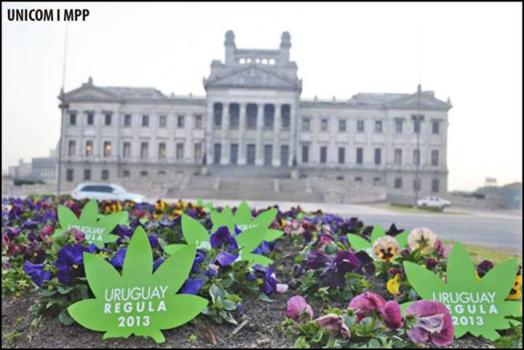
Movida Cannabica Florida Uruguay display at the Legislative Palace (facebook.com/movida.floridauruguay)
A bill to legalize and regulate marijuana markets and consumption has passed the lower House of the Uruguayan parliament. It now heads for the Senate later this year.
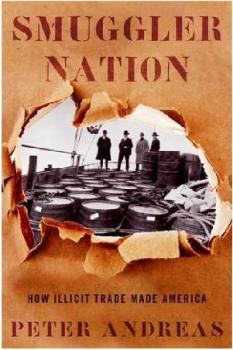
If you have an interest in American history and how we got to where we are with the war on drugs, you need to read Smuggler Nation. You'll be glad you did.
A coffee shop in Amsterdam, where clients can sit and smoke. Why no on-premises consumption here? (wikimedia.org)
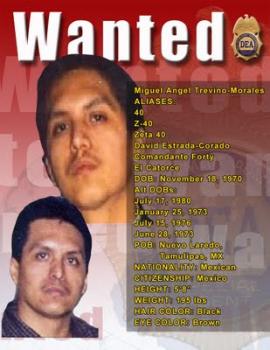
The Mexican government scored a major coup this week with the capture of Miguel Angel "Z-40" Trevino Morales, the head of the powerful Zetas cartel. But will it stem the violence or the flow of drugs? One observer thinks not.
The fledgling adminstration of Mexican President Pena Nieto is moving to strengthen its control over US law enforcement and intelligence agencies operating there, a change of course from the policies of his predecessor.
Uruguayan President Jose "Pepe" Mujica (wikimedia.org)
The discussion about legalizing marijuana commerce and cultivation is about to get underway in Uruguay. The president wanted to legalize it last fall, but backed off in the face of public opposition. Now, there will be an educational process to win support.
Former New Zealand prime minister and current head of the UN Development Program Helen Clark has toughly criticized the reliance on criminal justice approaches in the global drug war.
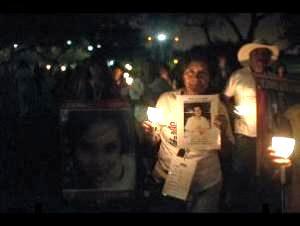
Caravan for Peace vigil, Brownsville, Texas, August 2012
In some ways, 2012 has been a year of dramatic, exciting change in drug policy, as the edifice of global drug prohibition appears to crumble before our eyes. In other ways it's still business as usual in the drug war. Here, we look at the biggest drug policy stories of the year.