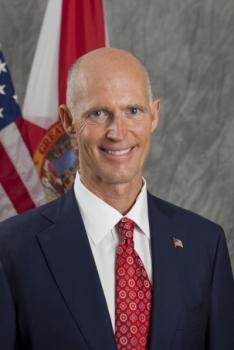
Florida's new Republican governor wants to make state employees pee in a cup to keep their jobs. The state ACLU reminds him that that's a constitutional no-no.
"Cool Madness" is a riveting account of the federal trial California medical marijuana patient and provider Dr. Mollie Fry and her husband, Dale Schafer. If you believe federal medical marijuana trials have anything to do with justice or fairness after reading her account, I have some bridges you might be interested in.
The IRS is thought to have begun audits on at least 12 medical marijuana dispensaries in California under the determination that past business deductions are invalid because of a clause in the federal tax code prohibiting any business that traffics in Schedule I or II drugs from making business deductions on their tax returns. Lynette Shaw, founder and owner of the Marin Alliance for Medical Marijuana, is hoping to strike back before the IRS can deliver any more "final determinations" to other dispensaries currently being audited. Shaw intends to file an appeal in U.S. Tax Court within the month. There is actually a precedent for just such a case, when in 2007, a San Francisco dispensary primarily catering to terminal AIDS patients got its payment cut down to just over 1 percent of what the IRS originally said it owed in back taxes.
A GVSU student shot in the chest by a deputy during a marijuana raid is suing the deputy who fired the shot. In March 2009, Derek Copp was living in an off-campus apartment he shared with a roommate, who was the target of a drug investigation. The federal lawsuit claims "gross negligence and willfull recklessness" in how the raid was conducted. Copp and his lawyers are asking a judge to make changes in how Ottawa County deputies use firearms and conduct searches.
After a small marijuana raid at a home three years ago, police left behind a bright yellow sticker, plastered to a window for any passer-by to see that read "SAY NO TO DRUGS: BUSTED â Middletown Police Department." The charges against one of the residents, Deana Perry, were later dropped. Perry has gone to federal court, claiming the act of applying the sticker violated her constitutional rights. One of her lawyers, Dennis E. Boyle, said that Perry wants the police to be barred from labeling people as drug dealers before they have had their day in court.
The Denver Post's editorial board opines that Christopher Bartkowicz, a medical marijuana grower who bragged about all the money he would make in Colorado's booming dispensary market, simply said the wrong thing at the wrong time and is now bearing the brunt of overzealous federal prosecution.
State and federal courts have been grappling with the issue of whether police need a warrant to install a GPS tracking device on a vehicle. Now it may be headed for the Supreme Court.
As founder of Michigan Association of Compassion Clubs, Jamie Lowell thinks the federal government's request for records on the state's medical marijuana registry will discourage legal use. He knows of a teacher who could use marijuana, but she is terrified of being identified. "When you get the application, you are under the impression all of the information will remain confidential," he said.
Siobhan Reynolds at a 2004 Congressional Briefing organized by the American Association of Physicians & Surgeons
A leading advocacy group for pain patients has essentially been driven out of business by a federal prosecutor and the federal courts. The Pain Relief Network will be missed.
Bryan Gonzalez (r) graduates from the Border Patrol Academy (Image courtesy Bryan Gonzalez via ACLU-NM)