A bill that will revive and strengthen Connecticut's largely dormant racial profiling law has passed the legislature, and Gov. Malloy says he will sign it into law.
A bill that would label drivers impaired if they have more than five nanograms of THC per milliliter in their blood even if they are not actually impaired has passed the Colorado Senate and a House committee, but the clock ran out on it Wednesday.
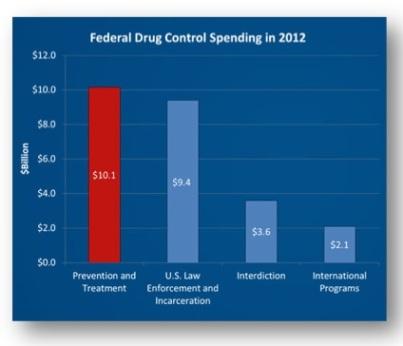
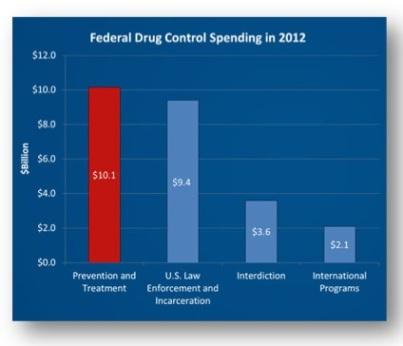
The 2012 National Drug Control Strategy is out. It looks much like the 2010 strategy or the 2005 strategy or the 2000 strategy. There are a few new wrinkles, but nothing much has changed.
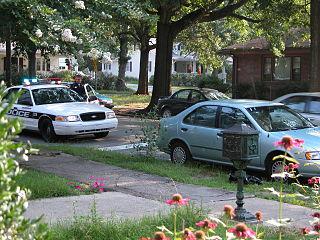
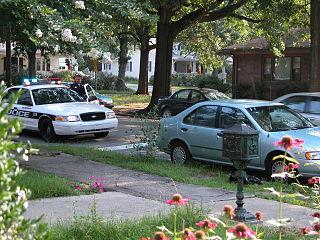
"Driving while black" continues to be an issue in Connecticut, and now, the state Senate has voted to beef up the state's 12-year-old racial profiling law, which police departments have been ignoring.
The new national drug strategy is out and it looks very much like the old national drug strategy, retaining the seemingly eternal 60:40 split between law enforcement and interdiction on one hand and treatment and prevention on the other.
Police in Washington state must first obtain a search warrant to search a vehicle for evidence of the crime for which they have already arrested the driver, the state Supreme Court ruled last week.
Reduces nausea, spasms -- and traffic accidents? (image courtesy Laurie Avocado via wikimedia.org)
In what could be an important intervention in the debates over medical marijuana and pot legalization, the first study to examine the relationship between medical marijuana and traffic deaths found they declined in medical marijuana states.