State & Local Executive Branches

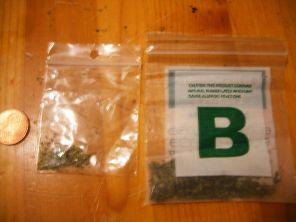
No more buzz from Spice or "Bath Salts" in the Beehive State (Image via Wikimedia)

"Bath Salts," Fake Marijuana Banned in Utah

Utah is the latest state to hop on the fake pot ban bandwagon. The same law also bans mephedrone.

SF Mayor's Hep C Task Force Recommends Supervised Injection Facilities (Press Release)

For Immediate Release: February 9, 2011                                   

Contact: Laura Thomas at (415) 283-6366 or Tommy McDonald (510) 229-5215

SF Mayor’s Hepatitis C Task Force Issues Recommendations for Fighting Epidemic, Including Supervised Injection Facilities (SIF)

SIF Allow People to Consume Their Drugs with Sterile Equipment in Presence of Medically-Trained Staff; Reduce HIV, Overdose Deaths and Public Drug Use, While Not Increasing Drug Use

SF Elected Officials Need to Embrace Science and Public Health Approach


The San Francisco Mayor’s Hepatitis C Task Force issued its report a few weeks ago, with strong recommendations for how San Francisco can better address the hepatitis C epidemic here. There are an estimated 12,000 people living with hepatitis C in San Francisco, most of whom do not know that they are infected. San Francisco has the opportunity to ensure that everyone knows their risk, knows their status, has access to hepatitis C treatment and support if they need it, and has the tools and information that they need to protect themselves from hepatitis C. One of those tools, as recommended by the Task Force, is a supervised injection site, where people could consume their drugs with sterile equipment in the presence of medicallytrained staff.

“Supervised injection facilities reduce HIV and overdose deaths without increasing drug use,” says Laura Thomas, deputy state director, San Francisco for the Drug Policy Alliance. “This has been done around the world and it has been proven to work effectively.”

Supervised injection facilities (SIFs) are operating in many countries around the world. They are not a new idea and the science has shown that they work. Insite, in Vancouver, British Columbia, has been extensively evaluated and has shown that a SIF can reduce public drug use, hepatitis C and HIV risk behaviors, overdoses, and other health problems, while not increasing crime or drug use.

In fact, Insite increased the number of people entering treatment for their problematic drug use. SIFs are a serious and well-researched approach to a significant problem. Politicians who are committed to reducing the harms that drugs create for our communities would be well served by paying attention to the evidence.

“San Francisco has led the way in dealing with HIV. The City needs to take these recommendations seriously and begin to address hepatitis C with the same courage and leadership it has shown for HIV,” Thomas added. “Politics can’t trump science in this case. There are too many lives on the line and here will be a serious price for slow learning curve.

“We need elected officials who are not afraid to do the right thing, and who are willing to put all of the options on the table as we fight the spread of hepatitis C and HIV.”

Rethinking Drug-Free School Zones: Massachusetts Gov. Patrick Proposes Changing a Policy Critics Say Is Unfair and Ineffective

For years, advocates of criminal justice reform in Massachusetts have been critical of the school zone law, which carries mandatory minimum sentences for drug crimes that take place within 1,000 feet of school property. While the law was passed in the name of public safety and the protection of children, critics say it's so broadly drawn that it's ineffective, and that it unfairly penalizes certain defendants on the basis of where they live. Now reformers have found an ally in the Statehouse's corner office. Gov. Patrick announced a proposal to dramatically reduce the size of the school zones, from 1,000 to 100 feet, as part of a plan to address a staggering projected state budget gap of $1.2 billion. The plan also includes proposals to close two state prisons and to ease sentencing laws for non-violent drug offenders, all moves the governor contends would save much-needed money.

Georgia Governor Pushing More Alternative Programs for Non-Violent Drug Offenders

Gov. Nathan Deal says he's moving ahead to reduce Georgia's prison population by diverting non-violent drug offenders to other programs. A 2009 national report said drug prohibition related crimes were listed as the primary offense for about 17 percent of Georgia's prisoners. Deal has made it clear he's not interested in springing repeat or violent offenders. But locking up non-violent offenders wastes their lives, strains the state's budget and depletes its work force, he said.