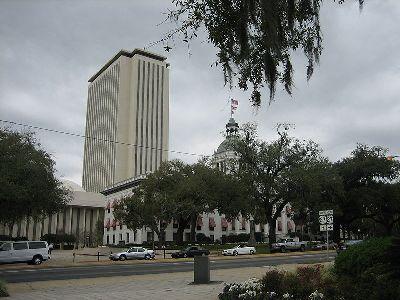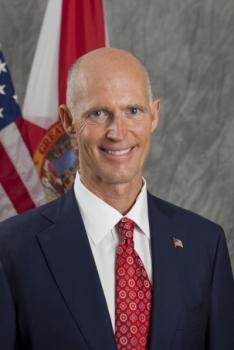
Florida's new Republican governor wants to make state employees pee in a cup to keep their jobs. The state ACLU reminds him that that's a constitutional no-no.
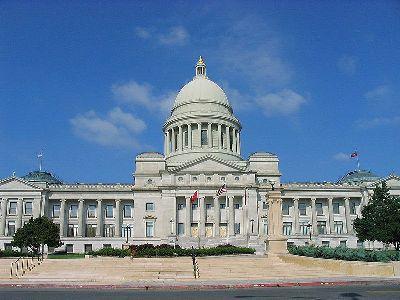
Common sense at the statehouse in Little Rock (Image via Wikimedia.org)
A bill moving in Colorado would set threshold THC blood levels to determine whether drivers are impaired. The question is would exceeding that level cause an automatic conviction or just more evidence to convict? Right now, the bill does both.
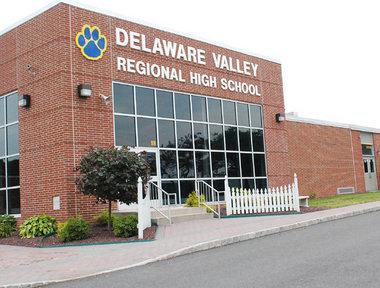
Some educators require remedial litigation to ensure they understand their students' privacy rights. (Image courtesy DVSD)
The Pennsylvania Supreme Court held in 2003 that schools must show a demonstrable need for drug testing students. Now, a pair of districts are being sued for requiring testing even though they have shown no need.
ACLU lawyers are fighting Delaware Valley School District's drug-testing policy in court on behalf of two students. The ACLU believes the district's policy violates a 2003 Pennsylvania Supreme Court ruling, Theodore vs. Delaware Valley School District. That decision required schools to justify suspicionless drug testing programs with evidence of a widespread drug problem among students, unless the school could show additional evidence that the group of students undergoing testing had a high rate of drug use.
Rep. Rolando Crespo, a member of the Puerto Rican House of Representatives, resigned his seat two days after officials disclosed that a drug test showed he had used cocaine. Crespo was first elected in 2004 and re-elected in 2008. He was president of the powerful Rules and Calendar Committee.
A study conducted in Idaho concluded the cost of mandatory drug testing of public assistance recipients would exceed any savings from booting offenders from programs. Republican lawmakers demanded the study last March, saying their constituents considered it unfair that some Idahoans are drug-tested by their employers while those on public assistance are not.
New York county officials shut down their crime lab because, they said, police officials knew that examiners were producing inaccurate measurements in drug cases even before a national accrediting agency placed the lab on probation. Nearly 9,000 drug cases dating to late 2007 are currently being reviewed for signs of errors after a spot check last week of nine cases involving ketamine or ecstasy revealed that six of them were inaccurately analyzed.
DrugWarFacts.org is an in-depth compilation of key facts, stats and quotes on the full range of drug policy issues, excerpted from expert publications. The Chronicle is running a series of info items from DrugWarFacts.org, and we encourage you to check it out.
An independent agency will review an estimated 4,000 drug cases in New York after officials from a medical examiner's office uncovered errors at a police crime lab. The possibility does exist, defense lawyers contended, that innocent people have been jailed in drug cases based on faulty evidence from the lab. Already, 16 defense motions seeking judicial reviews or reopening of drug cases have been filed, according to the DA. More are likely. "The credibility of the entire lab has been undermined," said Marc Gann, president of the Nassau County Bar Association.