Andean Drug War

at-the-devils-table-200px.jpg

Chronicle Book Review: At The Devil's Table

With "At the Devil's Table," investigative journalist William Rempel takes the reader on a ride to the dark heart of the Cali cartel. And what a ride it is!
lime powder container (used traditionally in coca chewing), 1st-7th-century, Colombia (Quimbaya), Metropolitan Museum of Art, NY

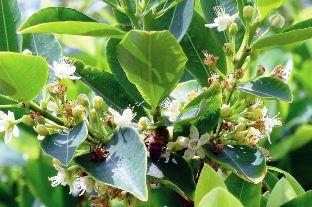
Bolivia to Quit United Nations Drug Convention Over Coca

We may be about to see the first defection from the legal backbone of global drug prohibition, the 1961 UN Convention on Single Drugs. Bolivia is ready to dump it, at least temporarily, over its classification of coca as an illicit drug.

Drug Submarines and the Futile Fight Against Colombian Smuggling

Yet another lessen in the futility of drug prohibition: Drug smugglers in Colombia have a low-cost way to transport cocaine -- narco-submarines. Authorities are struggling to keep up, and the technology keeps improving. Jay Bergman, who heads the Drug Enforcement Administration's Andean division, said it's a whole new challenge. "Without question, it has us all going back to the textbooks and the drawing boards and figuring out what are we going to do about this." Bergman pointed out that so far, no drug submarines have been detected under the sea. But seizures of semi-submersibles have dropped dramatically in the past two years. That could mean that traffickers have already made the switch to submarines – and that they're eluding detection.
hostagenation.jpg
hostagenation.jpg

Chronicle Book Review: Hostage Nation

We review a book on Colombia and US drug policy seen through a lens focused on American contractors and Colombian politicians kidnapped by the FARC.

Bolivia President Evo Morales Attacks Drug Reports

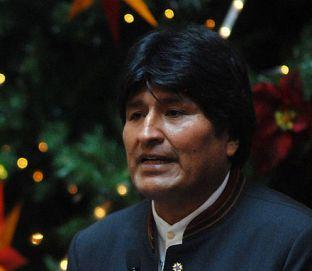
Bolivian president Evo Morales has accused the United States and the United Nations of conspiring to defame his government in two drug reports. He said criticism over Bolivia's handling of the war on drugs were part of a strategy to falsely link his government to drug trafficking. Morales said the US was trying to force him to invite American anti-narcotics agents back into Bolivia.

Entire Villages Flee As Colombia Drug Trafficking Organizations Move In

Drug prohibition violence is growing across Colombia, and has reached particularly alarming levels in Cordoba. This latest incarnation of drug trafficking organizations has emerged following the demobilization of paramilitary soldiers. Between 2003 and 2006, after striking a peace deal with the government, more than 32,000 fighters belonging to the paramilitary group called the United Self-Defense Forces of Colombia (AUC) put down arms. But many mid-ranking paramilitary commanders slipped back into drug trafficking, starting up new organizations and recruiting ex-AUC fighters.
Peruvian presidential contenders Luis Castaneda (l) and Alejandro Toledo (r) in happier times. (image via Wikimedia)

Drugs Playing Role in Peru Presidential Contest

It's silly season in Peruvian presidential politics: First, a candidate gets attacked for saying he wants to decriminalize when Peru already has decriminalization, then it's a demand for candidate drug tests.

Drug Prohibition's Cocaine Traffickers Have Proven Both Vicious and Resilient

Since the beginning of the drug prohibition war, the drug trade has ballooned, spreading violence and corruption across large parts of the globe. Despite billions spent on combating them drug traffickers have for decades outwitted the authorities, keeping consumers in North America and Europe supplied at a price and purity that remains remarkably consistent despite law enforcement officials around the world frequently heralding the dismantling of trafficking networks.