The corporate strategic consulting firm McKinsey & Company has agreed to pay hundreds of millions for its role in creating the prescription opioid addiction epidemic, and more.
Federal legislation has been filed to ensure Job Corp applicants are not automatically canned for a second positive pot test, San Francisco takes aim at "drug-permissive" housing for the homeless, and more.
A bill to allow therapuetic psilocybin service centers to operate has passed the legislature in Arizona. (Creative Commons)
Tens of thousands march for marijuana legalization in Sao Paulo, the Biden administration rolls out grants for mental health and substance abuse needs, and more.
Two years on, Oregon's pioneering drug decriminalization is seeing arrests plummet and addiction services dollars explode. And he public likes it so far.
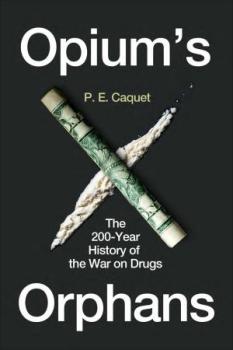
This new entry in the growing literature on the opioid crisis digs deep and paints a picture that isn't pretty. But the book's laser-sharp focus on corporate and political malfeasance omits much of the context in which this crisis has unfolded, and that context is important.
The history of drug prohibition is increasingly well-trodden territory, but with Opium's Orphans, British historian P.E. Caquet brings a fascinating new perspective embedded in a sweeping narrative and fortified with an erudite grasp of the broad global historical context.